

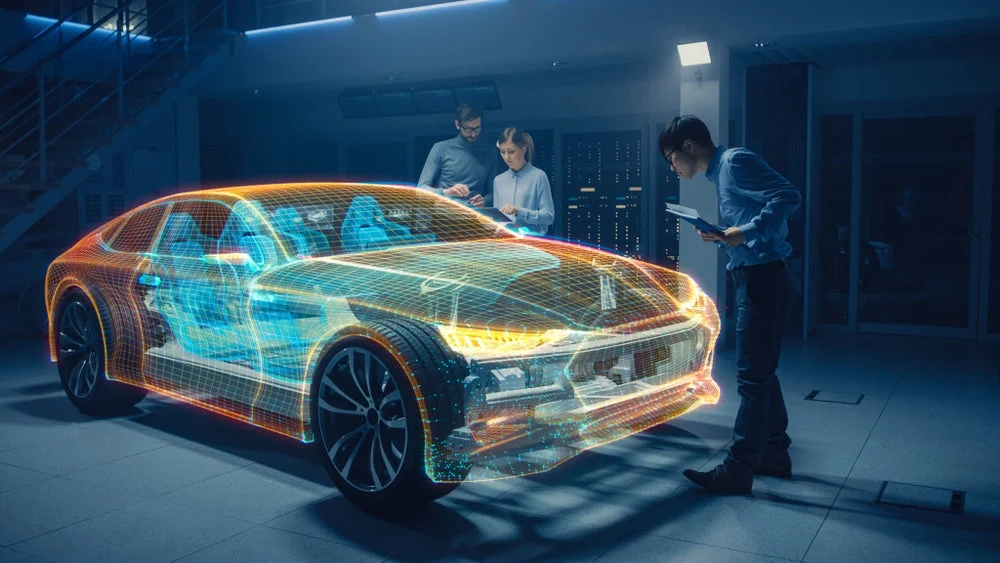
The automotive industry is undergoing its most profound transformation since the introduction of the moving assembly line. For more than a century, automotive design was dictated by the mechanical constraints of the internal combustion engine, the physical routing of drivetrains, and fixed occupant seating. Today, rapid technological disruption, regulatory shifts toward carbon neutrality, and evolving consumer habits have fundamentally altered how vehicles are conceived, styled, and engineered.
Modern vehicle design has transitioned from a discipline centered on mechanical packaging into an integrated exercise combining computational power, aerodynamic efficiency, sustainable material science, and ambient user experience. As vehicles evolve into electrified, connected, and software-defined platforms, automotive designers are rethinking exterior silhouettes and transforming interior environments into multi-functional living spaces.
The Skateboard Architecture and Spatial Freedom
The transition from internal combustion engines to dedicated electric vehicle platforms has eliminated long-standing engineering limitations. Traditional vehicles required substantial front engine compartments to house multi-cylinder engines, cooling radiators, and complex exhaust routing, along with large transmission tunnels that divided the interior passenger compartment.
Dedicated electric platforms, commonly referred to as skateboard architectures, place the battery pack flat between the front and rear axles while mounting compact electric motors directly on the wheel assemblies. This fundamental structural reorganization gives automotive designers unprecedented freedom:
-
Extended Wheelbases with Shorter Overhangs: By pushing the four wheels outward to the far corners of the chassis, designers maximize the footprint of the passenger compartment without significantly increasing the exterior length of the vehicle.
-
Completely Flat Floorboards: Removing mechanical driveshafts and exhaust conduits allows for open, continuous cabin floors, creating flexible space for movable center consoles, sliding seats, and integrated floor storage.
-
Cab-Forward Silhouettes: Without the need to accommodate a tall engine block beneath a elongated hood, the base of the windshield can be moved forward, opening up dramatic visibility and maximizing interior volume.
This structural evolution allows compact footprint vehicles to offer the interior legroom and cargo capacity previously found only in full-size luxury sedans and utility vehicles.
Aerodynamic Efficiency as the Dominant Exterior Language
In internal combustion vehicles, styling often prioritized aggressive grilles, pronounced angular wheel arches, and muscular profiles. In the era of electric mobility, however, aerodynamic drag is the single largest determinant of highway energy consumption and battery range. Consequently, airflow optimization has become a primary driver of modern exterior aesthetics.
Every curve, crease, and panel gap on a contemporary vehicle is sculpted using high-performance computational fluid dynamics to reduce the drag coefficient:
-
Smooth Front Fascias and Integrated Air Curtains: Traditional open mesh radiator grilles have been replaced by solid, streamlined front aerodynamic shields. Functional air ducts at the outer edges of the front bumper channel turbulent air smoothly around the front tires.
-
Active Aerodynamic Elements: Modern vehicles deploy active aerodynamic surfaces on demand, including motorized front grille shutters that close at cruising speeds, adaptive air suspensions that lower the vehicle height on highways, and deployable rear spoilers that manage turbulent wake separation.
-
Flush Integration: Traditional exterior protrusions that cause aerodynamic turbulence are systematically smoothed away. Flush-mounted door handles, hidden window seals, underbody aerodynamic panels, and sculpted wheel designs that reduce rotational drag are now standard design hallmarks.
-
Tapered Rear Profiles: Fastback rooflines, Kammback tail cuts, and boat-tail rear geometries are engineered to guide separating air currents smoothly off the back of the chassis, preventing low-pressure drag pockets from pulling on the vehicle.
Software-Defined Architecture and Interior Cockpit Design
As automobiles transition into software-defined vehicles, the digital computing architecture is restructuring interior layouts. Vehicles are no longer static mechanical machines; they are upgradable electronic ecosystems managed by centralized domain computers and continuous over-the-air software updates.
This digital evolution has led designers to strip away crowded arrays of physical plastic buttons, switches, and mechanical gauge clusters in favor of clean, integrated digital cockpits:
-
Pillar-to-Pillar Displays: Curved panoramic screens and ultra-high-definition touchscreens now span the full width of the dashboard, consolidating instrument clusters, navigation, entertainment, and climate controls into a single customizable digital canvas.
-
Augmented Reality Head-Up Displays: Advanced optical projection systems place navigation directional arrows, lane markers, and safety alerts directly into the real-world line of sight of the driver, allowing dashboard surfaces to adopt more minimalist, low-profile shapes.
-
Modular Interior Layouts: With steer-by-wire controls and drive-by-wire pedals eliminating direct mechanical linkages, steering wheels and pedals can physically retract into the dashboard during autonomous driving modes or parked charging sessions, transforming the cabin into a mobile workspace or lounge.
The interior of the vehicle is no longer viewed solely as a driving cockpit; it is designed as a third living space that bridges the gap between the home and the modern office.
Sensor Integration and the Evolution of Exterior Lighting
Advanced driver assistance systems and automated driving capabilities require an extensive array of external perception sensors, including radar units, high-resolution cameras, ultrasonic transducers, and LiDAR pods. Seamlessly embedding these technical elements into a cohesive vehicle exterior without disrupting visual harmony is a major design priority.
Designers are moving away from surface-mounted sensor pods by integrating hardware directly into body elements:
-
LiDAR Integration: Forward-looking LiDAR sensors are now integrated flush into the roof header above the front windshield or incorporated into dark-tinted sections of the front lighting assemblies.
-
Smart Radar Fascias: Millimeter-wave radar modules are concealed directly behind decorative, radio-transparent polycarbonate front panels that mimic classic chrome or brushed metal textures.
-
Interactive Exterior Lighting: Lighting has transitioned from simple illumination into a primary brand identity and communication tool. Full-width front and rear light bars feature dynamic startup sequences, while intelligent matrix light arrays can project safety warnings, pedestrian crosswalks, and vehicle charging status directly onto the pavement.
Sustainable Materials and Circular Design Practices
Environmental sustainability in modern automotive design extends far beyond zero tailpipe emissions. The selection of materials used to build the exterior body and line the interior cabin is undergoing a major circular transformation. Automakers are actively reducing their carbon footprint by replacing virgin plastics, petroleum-based foams, and animal hides with renewable, recycled alternatives:
-
Bio-Based and Recycled Textiles: Modern luxury interiors feature upholstery derived from recycled plastic bottles, discarded ocean fishing nets, industrial flax fibers, and plant-based alternatives like mushroom mycelium and apple waste leather.
-
Natural Open-Pore Surfaces: Traditional high-gloss, chemical-treated wood veneers are giving way to responsibly harvested, open-pore woods, bamboo composites, and recycled stone surfaces.
-
Circular Disassembly Engineering: Interior components are increasingly engineered using single-polymer constructions and mechanical clip assemblies rather than toxic adhesives. This design practice ensures that interior panels can be separated quickly and recycled efficiently at the end of the vehicle service life.
Vehicle design is no longer an isolated styling exercise. It is a synthesis of fluid aerodynamics, electronic architecture, occupant wellness, and environmental responsibility. As automated mobility, electrification, and intelligent connectivity continue to mature, future vehicles will continue to evolve into versatile, highly personalized extensions of modern digital life.
Frequently Asked Questions
How does steer-by-wire technology affect steering wheel shape and cabin safety?
Steer-by-wire replaces the physical mechanical steering column with electronic sensors and digital actuators. Because the system can adjust the steering ratio dynamically based on vehicle speed, drivers no longer need to perform hand-over-hand turns, allowing designers to adopt compact yoke designs or rectangular wheels. In frontal collisions, the absence of a rigid metal steering column eliminates a major driver impact hazard.
What role does bi-directional charging play in exterior port design and vehicle utility?
Bi-directional charging, including vehicle-to-load and vehicle-to-home capabilities, turns an electric car into a mobile power source. This technology influences exterior design by requiring standardized, heavy-duty charging ports with reinforced cooling, alongside integrated 120-volt and 240-volt household electrical outlets embedded inside trunks, pickup beds, and front cargo spaces.
How do pedestrian safety regulations shape the front-end profile of modern concept cars?
Global pedestrian protection mandates require a specific clearance zone between the outer hood surface and the hard structural points beneath it to absorb kinetic energy during an impact. This requirement dictates taller hood lines, energy-absorbing front bumper foam structures, soft-mounted plastic grilles, and pyrotechnic active hoods that pop upward automatically if a collision with a pedestrian is detected.
Why are digital side-view mirrors replacing traditional glass mirrors in select global markets?
Digital side-view mirrors replace large glass assemblies with slim, aerodynamic camera pods that transmit live video to dedicated screens mounted inside the front doors. This setup reduces aerodynamic drag and wind noise, increases highway battery range, and eliminates blind spots during night driving or inclement weather through digital image enhancement.
How does the weight of large battery packs alter suspension and chassis design?
Electric vehicle battery packs can add between 1,000 and 2,000 pounds of weight to the lower chassis. To control body roll while maintaining ride comfort, designers and chassis engineers implement adaptive multi-chamber air suspensions, active anti-roll bars, and lightweight forged aluminum subframes that lower the overall center of gravity and maintain dynamic vehicle stability.
What is gigacasting and how does it change vehicle body repairability and assembly?
Gigacasting, or megacasting, uses high-pressure aluminum die-casting machines to cast large sections of the front and rear vehicle chassis as single solid pieces, replacing dozens of stamped sheet metal parts. While this significantly lowers vehicle weight, stiffens the chassis, and reduces factory assembly complexity, it requires specialized structural repair techniques and engineered sacrificial crash zones for localized collision damage.
How does acoustic engineering change when engine noise is completely eliminated?
In the absence of internal combustion engine rumble, high-frequency wind noise, tire roar, and component vibrations become far more noticeable to cabin occupants. Designers counter this by incorporating acoustic laminated double-pane glass, aerodynamically optimized side mirror mounts, foam-filled quiet tires, and active electronic road noise cancellation systems embedded in the headrests.