

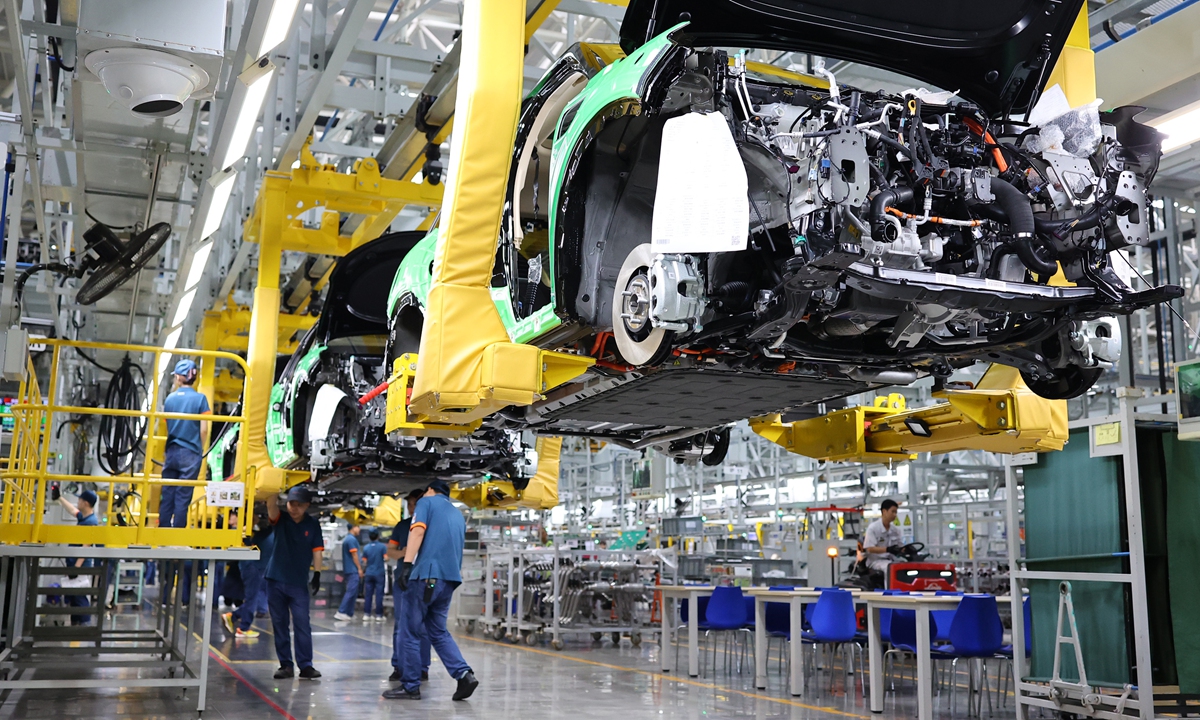
The auto industry has long been a cornerstone of global economic growth, innovation, and technological advancement. From the first mass-produced vehicles to the modern electric and autonomous cars, the automotive sector continues to evolve at a rapid pace. In this article, we explore everything about the auto industry, including market trends, vehicle types, emerging technologies, maintenance, and the future of mobility.
The Evolution of the Auto Industry
The automotive industry traces its roots back to the late 19th century when innovators like Karl Benz and Henry Ford revolutionized transportation. Henry Ford’s introduction of the assembly line in 1913 made vehicles more affordable and accessible, paving the way for the automotive boom in the 20th century.
Over the years, the auto industry has shifted from simple mechanical machines to complex, software-driven vehicles. Today’s automobiles integrate advanced electronics, connectivity, and sustainability features, reflecting changing consumer expectations and technological progress.
Key Milestones in Automotive History
- 1886: Karl Benz creates the first gasoline-powered automobile.
- 1913: Henry Ford implements the moving assembly line for mass production.
- 1970s: Introduction of emission controls and fuel efficiency standards.
- 1990s: Rise of hybrid vehicles with better fuel economy.
- 2010s: Electric vehicles (EVs) and autonomous technologies gain traction.
Types of Vehicles in the Auto Industry
Understanding the types of vehicles is essential for anyone interested in the automotive sector. Vehicles today are designed for diverse needs, including personal transport, commercial use, and specialized functions.
Passenger Vehicles
Passenger vehicles are the most common category, used primarily for personal transportation. These include:
- Sedans: Popular for comfort and efficiency.
- SUVs (Sports Utility Vehicles): Known for space, versatility, and off-road capability.
- Coupes and Hatchbacks: Stylish options for urban commuters.
Commercial Vehicles
Commercial vehicles serve businesses and industries, aiding in goods transportation and services. They include:
- Trucks: From light-duty pickups to heavy-duty freight carriers.
- Vans: Used for logistics, deliveries, and passenger transport.
- Buses: Public and private transportation solutions.
Electric and Hybrid Vehicles
With environmental concerns on the rise, electric vehicles (EVs) and hybrid vehicles are transforming the industry:
- Battery Electric Vehicles (BEVs): Fully electric cars powered by rechargeable batteries.
- Plug-in Hybrid Electric Vehicles (PHEVs): Combine internal combustion engines with electric motors.
- Fuel Cell Electric Vehicles (FCEVs): Use hydrogen fuel cells to generate electricity.
Emerging Trends in the Auto Industry
The auto industry is currently undergoing a technological revolution. Several key trends are reshaping the market:
Electric Mobility
EV adoption is accelerating due to stricter emission regulations and consumer demand for eco-friendly options. Major automakers are investing heavily in EV production, charging infrastructure, and battery technologies.
Autonomous Driving
Self-driving technology aims to reduce accidents and improve efficiency. Companies are testing autonomous vehicles using sensors, AI, and machine learning algorithms to navigate complex environments.
Connected Cars
Modern vehicles are increasingly connected, offering features like GPS navigation, remote diagnostics, infotainment, and vehicle-to-everything (V2X) communication for smarter driving experiences.
Sustainability and Eco-Friendly Materials
Automakers are incorporating recycled and lightweight materials to reduce carbon footprints. Solar panels, biodegradable plastics, and energy-efficient production methods are becoming industry standards.
Vehicle Maintenance and Safety
Maintaining your vehicle not only prolongs its life but also ensures safety. Essential maintenance tasks include:
- Regular Oil Changes: Keeps the engine running smoothly.
- Brake Inspections: Critical for safety and performance.
- Tire Maintenance: Proper inflation and rotation improve fuel efficiency.
- Battery Checks: Especially important for electric and hybrid vehicles.
Safety Innovations
Automotive safety has advanced significantly in recent years:
- Airbags and Seatbelts: Standard safety features in all vehicles.
- Advanced Driver Assistance Systems (ADAS): Includes lane departure warning, adaptive cruise control, and automatic emergency braking.
- Collision Avoidance Technology: Uses sensors to detect and prevent potential accidents.
Challenges Facing the Auto Industry
Despite growth and innovation, the auto industry faces several challenges:
- Regulatory Compliance: Stricter emission and safety regulations require constant innovation.
- Supply Chain Disruptions: Global crises, such as semiconductor shortages, impact production.
- Consumer Expectations: Buyers demand more sustainable, technologically advanced, and cost-effective vehicles.
- Environmental Concerns: Pressure to reduce carbon emissions and transition to greener alternatives.
The Future of Automobiles
The automotive landscape is evolving rapidly, driven by technology and environmental considerations:
- Electric Vehicle Dominance: EVs are expected to become mainstream, with many countries planning to phase out gasoline-powered cars by 2035.
- Autonomous Transportation: Fully autonomous vehicles could revolutionize mobility and logistics.
- Shared Mobility: Ride-hailing and car-sharing services reduce personal car ownership while promoting efficient transportation.
- Smart Infrastructure: Cities are developing smart roads, charging stations, and traffic management systems to support connected vehicles.
Role of Artificial Intelligence in Future Mobility
AI plays a crucial role in autonomous vehicles, predictive maintenance, traffic management, and driver safety systems. Machine learning algorithms help vehicles analyze real-time data, adapt to conditions, and provide optimized performance.
How to Choose the Right Vehicle
Choosing a vehicle depends on individual needs, lifestyle, and budget. Consider the following factors:
- Usage: Daily commuting, family trips, or commercial purposes.
- Fuel Type: Gasoline, diesel, hybrid, or electric.
- Budget: Initial cost, maintenance, and fuel efficiency.
- Safety Features: Look for vehicles with high safety ratings and advanced assistance technologies.
- Resale Value: Consider brands and models with strong depreciation resilience.
Auto Industry Insights by Region
Different regions have unique automotive trends:
- North America: Focus on SUVs, trucks, and electric vehicle adoption.
- Europe: Emphasis on eco-friendly mobility, hybrid and electric cars, and strict emissions standards.
- Asia-Pacific: Rapid growth in vehicle demand, particularly in China and India, with a focus on affordable EVs.
- Middle East & Africa: Strong demand for SUVs and luxury vehicles.
Conclusion
The auto industry is at a pivotal moment, balancing technological innovation, environmental responsibility, and consumer demands. Whether it’s embracing electric mobility, autonomous driving, or connected technologies, the automotive sector is reshaping how we live, work, and travel. For enthusiasts, businesses, and everyday drivers, understanding these trends and developments is essential to navigating the evolving world of automobiles.
FAQs About the Auto Industry
1. What is the main difference between hybrid and electric vehicles?
Hybrid vehicles combine an internal combustion engine with an electric motor, whereas electric vehicles rely solely on battery power.
2. How often should I service my vehicle?
It depends on the manufacturer’s recommendations, but regular check-ups every 5,000 to 10,000 miles are standard for most vehicles.
3. Are autonomous cars safe for public use?
While autonomous technology is improving, fully autonomous cars are still in the testing phase, and driver supervision is recommended in most regions.
4. Which regions are leading in electric vehicle adoption?
Europe, North America, and China are at the forefront of EV adoption due to supportive policies and infrastructure development.
5. How can I extend the life of my vehicle’s battery?
Avoid deep discharges, use proper charging equipment, maintain optimal temperature, and follow manufacturer guidelines.
6. What are the benefits of connected cars?
Connected cars offer enhanced safety, real-time diagnostics, navigation assistance, entertainment options, and integration with smart infrastructure.
7. What future trends should I watch in the automotive sector?
Key trends include electric vehicle expansion, autonomous driving, shared mobility, AI integration, and eco-friendly production practices.
Comments are closed.