

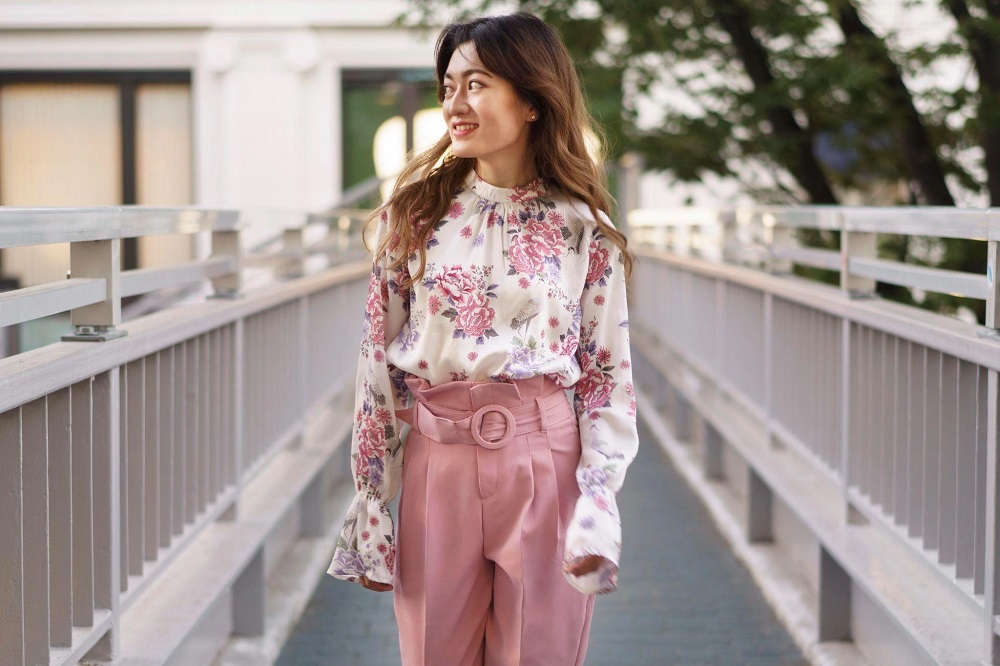
Building a versatile, stylish wardrobe is an ongoing journey that evolves alongside the calendar. Many people fall into the trap of purchasing clothes specifically for a single season, leading to overflowing closets, unnecessary spending, and the recurring feeling of having nothing to wear. True personal style relies on understanding how garments interact across changing weather conditions.
By mastering the principles of layering, fabric selection, color coordination, and smart accessorizing, anyone can create outfits that balance comfort and sophistication twelve months a year. A thoughtful year-round wardrobe does not require an endless budget; rather, it demands intentionality, quality basics, and a clear understanding of seasonal transitions.
The Foundation: Building a Year-Round Capsule Wardrobe
Before focusing on individual seasons, every cohesive wardrobe requires a core foundation of non-seasonal staples. These are the versatile workhorses that anchor your outfits whether it is ninety degrees outside or snowing.
-
Tailored White Button-Down: A crisp cotton or linen-blend shirt works beneath a winter sweater, tucked into summer trousers, or unbuttoned over a spring tank top.
-
Classic Straight-Leg Denim: Mid-weight denim in a medium or dark wash transitions effortlessly through every climate without looking out of place.
-
Neutral Trench Coat: A well-fitted trench offers water resistance in spring storms, an elegant outer layer for autumn breezes, and a polished topcoat over winter knitwear.
-
Crewneck T-Shirts in Neutral Tones: High-grade pima cotton tees in black, white, gray, and navy serve as standalone tops or breathable base layers.
-
Tailored Blazer: An unstructured wool or heavy cotton blazer adds structure to casual summer dresses and pairs seamlessly with cold-weather trousers.
-
Quality Leather Ankle Boots: Low-heeled leather boots protect against wet autumn pavements while remaining light enough for crisp spring mornings.
Spring: Embracing Refreshing Layers and Transitional Palettes
Spring is marked by unpredictable weather. Cool mornings often give way to warm afternoons, accompanied by unexpected rain showers. The goal of spring styling is light layering that can be adjusted throughout the day.
Fabric and Palette Selection
As temperatures climb, replace heavy wools and synthetics with breathable, natural fibers like cotton poplin, lightweight linen blends, silk, and fine gauge knits. Color palettes naturally shift toward pastels, soft earth tones, sage greens, and sky blues. Incorporating subtle floral patterns or light stripes brings seasonal freshness to your rotation.
Essential Spring Styling Techniques
-
The Drape Technique: Instead of wearing a cardigan or lightweight crewneck sweater over your shoulders, drape it over a basic tee or midi dress for an effortless layer you can put on when temperatures dip.
-
Mix Light and Heavy Textures: Balance a floaty pleated skirt or slip dress with a structured denim jacket or a cropped utility jacket.
-
Footwear Transitions: Swap heavy winter boots for loafers, clean white leather sneakers, or slingback flats that offer breathability while keeping feet covered on damp mornings.
Summer: Mastering Effortless Breathability and Sun Protection
Summer style focuses on staying cool while maintaining structure and polish. The common challenge during hot months is looking put-together without overheating in multi-layered outfits.
Selecting the Right Summer Textiles
Fabric choice is paramount in high temperatures. Stick strictly to lightweight natural weaves:
-
Linen: The classic warm-weather fabric allows maximum airflow and gains softer texture with every wash.
-
Cotton Voile and Poplin: Crisp and light, these fabrics keep moisture away from the skin without clinging.
-
Chambray: Provides the casual visual weight of denim with the lightweight breathability of plain-weave cotton.
-
Silk Habotai: A breathable luxury fiber ideal for evening events in warm climates.
Elevating Warm-Weather Outfits
-
Focus on Silhouette Contrast: Pair wide-leg linen trousers with a fitted ribbed tank top, or balance an oversized breezy tunic with structured tailored shorts.
-
Use Statement Accessories: Since layering garments is impractical in high heat, rely on textured straw bags, woven leather belts, polarized sunglasses, and gold jewelry to complete the look.
-
Monochrome Dressing: Wearing head-to-toe white, ivory, or sand creates an instantly elevated aesthetic that naturally reflects sunlight and looks deliberate.
Fall: The Golden Era of Rich Textures and Structural Depth
Autumn is widely considered the peak season for sartorial expression. Dropping temperatures allow for complex layering schemes, rich tactile fabrics, and deeper color stories.
Introducing Autumnal Colors and Textures
Autumn welcomes saturated tones: rust, burgundy, forest green, chocolate brown, mustard, and deep camel. This is the time to mix varied tactile materials within a single ensemble:
-
Corduroy and Velvet: Introduce tactile depth when used for trousers, overshirts, or blazers.
-
Suede and Nubuck: Offer a softer, matte alternative to polished leather for jackets, bags, and boots.
-
Chunky Knits and Ribbed Wool: Provide visual weight and reliable warmth.
Strategic Autumn Layering
-
The Three-Piece Rule: Elevate basic pants and a sweater by adding a third element, such as a tailored vest, a plaid wool shacket, or a suede overshirt.
-
Turtlenecks Under Outerwear: A fine-knit merino wool turtleneck worn beneath an open button-down shirt or blazer delivers high visual impact and functional warmth.
-
Scarf Accents: Incorporate wool or cashmere scarves in complementary houndstooth or tartan patterns to frame the neckline and break up solid colors.
Winter: Combining Practical Warmth with Sophisticated Polish
Dressing for winter often feels like a compromise between staying warm and looking stylish. However, by understanding insulation principles, you can look sleek without adding unnecessary bulk.
The Science of Thermal Base Layers
The key to cold-weather dressing is selecting high-performance, thin base layers. Merino wool and high-tech synthetic thermal tops trap body heat close to the skin without requiring three thick sweaters on top. Once your base layer is secure, your outer garments can focus on silhouette and design.
Outerwear as the Main Event
In deep winter, your coat is the outfit that the world sees first. Investing in exceptional outerwear elevates every ensemble:
-
Tailored Wool Overcoats: A double-breasted camel or charcoal coat extending past the knee creates a clean, vertical line that elongates the figure.
-
Quilted Down Pockets: For wet and freezing days, select a down parka with a cinched waist or minimalist matte finish rather than shiny, unstructured puffer coats.
-
Leather and Shearling: A shearling-lined aviator jacket offers rugged structure while insulating against biting winds.
Winter Footwear and Accessories
-
Choose lug-sole leather boots with water-resistant treatments to handle slush while maintaining modern proportions.
-
Match leather gloves to your belt or handbag to maintain a unified color story.
-
Select structured beanie caps or wide-brim felt fedoras to protect your head while preserving the outfit shape.
Mastering Trans-Seasonal Dressing
The most economical and sustainable styling skill is transitioning individual pieces across opposing seasons. A few strategic adjustments make your wardrobe functional all year:
-
The Slip Dress: Wear it solo with sandals in July, layer a fitted white t-shirt underneath in May, top it with a chunky knit sweater and boots in October, and wear it over thermal leggings with a shearling coat in January.
-
Tailored Trousers: Style with a sleeveless linen halter in summer, an oversized cotton poplin shirt in spring, a fitted knit in autumn, and heavy cashmere with wool socks in winter.
-
Denim Jackets: Act as prime outerwear in late spring and early autumn, while converting into a stylish middle layer beneath an oversized winter overcoat in December.
Frequently Asked Questions
How can a summer sundress be styled for autumn without looking out of place?
A summer dress can be adapted for cooler weather by adding weight underneath and on top. Layer a fitted turtleneck or long-sleeve tee underneath, add opaque tights, and switch sandals for suede ankle boots. Complete the look with a leather moto jacket or chunky knit cardigan in deep autumnal tones like brown or olive.
What is the best way to care for winter knitwear so it lasts for years?
Natural knitwear made of wool or cashmere should be washed infrequently, preferably by hand in cold water with a gentle wool detergent. Never wring out wet knitwear; instead, press the water out using a clean towel and lay the garment flat on a drying rack. Store folded rather than on hangers to prevent the shoulders from stretching out.
How do I choose the most versatile coat color if I can only afford one high-quality coat?
Camel, charcoal gray, and deep navy are the most versatile coat colors. Unlike pure black, which can look harsh against lighter spring or autumn outfits, camel and charcoal pair harmoniously with both warm earth tones and cool monochrome palettes across all seasons.
Which fabrics should be completely avoided during humid summer weather?
Avoid synthetic fabrics like polyester, acrylic, nylon, and heavy rayon. These petroleum-based fibers trap heat and body moisture against the skin because they lack natural breathability, resulting in discomfort, skin irritation, and noticeable sweat marks.
How can I make layered winter outfits look flattering rather than bulky?
Maintain clean proportions by balancing volume. If you wear an oversized, chunky sweater, keep the bottom slim with straight-leg trousers or structured denim. Additionally, focus on thin, high-density insulating fabrics like fine merino wool and silk-thermal blends, which provide warmth without adding inches to your frame.
What shoe styles work in all four seasons across various outfits?
Classic leather white sneakers, clean leather loafers in dark brown or black, and minimalist leather Chelsea boots work in almost any season. They offer enough coverage for chillier months while remaining lightweight and polished enough for warm-weather outfits.
How do I update my color palette between seasons without buying an entirely new wardrobe?
Rely on inexpensive accessories to shift your color tone. Introduce light-colored canvas totes, silk neck scarves, and pastel jewelry during spring and summer. In autumn and winter, rotate to deep leather belts, dark wool beanies, and jewel-toned scarves while keeping your core neutral garments the same.