

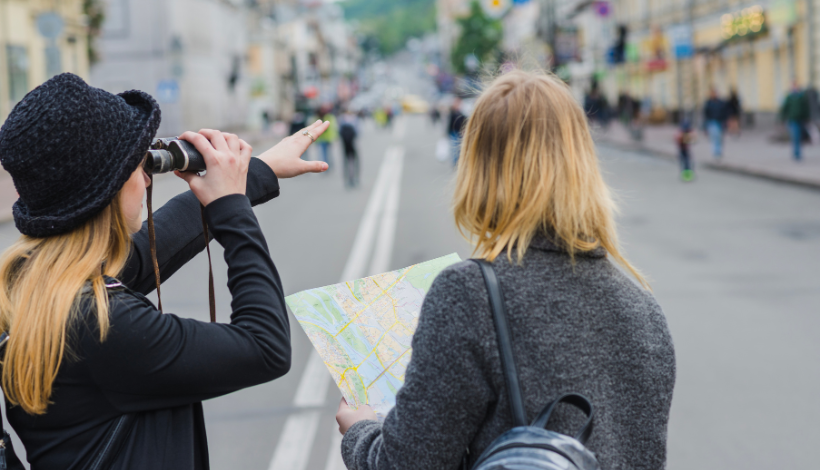
Modern travel is frequently reduced to a checklist of iconic landmarks, quick photo opportunities, and rushed itineraries. People fly across continents only to view destinations through the lens of a smartphone screen, seeking digital validation rather than genuine personal transformation. This consumer-driven approach to tourism often leaves travelers feeling just as exhausted and disconnected upon their return as they were before they departed.
Meaningful travel offers a deliberate counterweight to this superficial sightseeing. It transforms travel from passive consumption into an intentional pursuit of insight, connection, and self-discovery. When you step outside familiar routines and engage deeply with the world, adventure becomes an active catalyst for psychological growth. Experiencing new cultures, navigating unexpected obstacles, and immersing yourself in unfamiliar environments alters how you understand yourself, other people, and your place in the global community.
Dismantling Cultural Assumptions Through Direct Experience
Human beings tend to construct worldviews based on their immediate social surroundings, local media narratives, and inherited cultural norms. Without deliberate exposure to diverse ways of living, these localized perspectives can solidify into rigid assumptions about what is normal, right, or desirable.
Meaningful travel directly challenges these internal biases by replacing second-hand assumptions with first-hand observation and shared human interaction:
-
Exposure to alternative values: Spending time in societies that prioritize community solidarity over individual achievement, or leisure over relentless productivity, reveals that modern Western life is only one of many valid ways to structure human existence.
-
Recognition of shared fundamentals: Beneath distinct languages, architectural styles, and culinary traditions, people everywhere experience the same basic aspirations: security, family connection, creative expression, and purposeful community.
-
Humility in the face of history: Walking through ancient ruins and historical monuments provides a tangible sense of deep time, reminding travelers that modern problems exist within a vast, continuous historical tapestry.
By observing how other cultures navigate everyday life, you begin to question your own unexamined habits and beliefs. This cultural immersion builds deep cognitive flexibility, helping you replace judgment with genuine curiosity.
The Psychological Value of Stepping into the Unknown
Familiarity breeds a sense of comfort, but it also fosters psychological complacency. Daily routines automate decision-making, allowing individuals to operate on autopilot for years at a time. True adventure disrupts this predictability by placing you in dynamic environments where standard assumptions no longer apply.
Navigating Ambiguity and Uncertainty
When you arrive in a foreign country where you cannot read the street signs, speak the local language, or predict the transit schedules, your brain is forced out of its passive state:
-
Heightened situational awareness: Every sense sharpens as you actively observe your immediate surroundings, interpret subtle body language, and solve unfamiliar logistical problems.
-
Tolerating discomfort: Delays, missed trains, unexpected weather, and language barriers build emotional resilience. Learning to remain composed during disruptions teaches you that minor setbacks are manageable realities rather than catastrophic failures.
-
Creative problem solving: Being stripped of familiar support systems forces you to trust your own intuition and resourcefulness, expanding your confidence in your personal problem-solving abilities.
Overcoming logistical hurdles on the road provides a profound psychological benefit. The realization that you can navigate an unfamiliar city independently permanently shifts your internal perception of what you are capable of handling back home.
Reassessing Material Values and Modern Consumption
Living out of a single backpack or small suitcase for weeks fundamentally changes your relationship with physical possessions. In modern consumer societies, individuals accumulate vast quantities of goods under the premise that material accumulation equates to security and happiness.
Intentional travel strips away this excess and highlights what is truly essential:
-
The burden of excess weight: Carrying heavy luggage across train stations, rough terrain, and crowded streets provides an immediate, visceral lesson on how physical possessions can restrict personal freedom and mobility.
-
Prioritizing experiences over objects: Research in behavioral psychology consistently demonstrates that experiential purchases provide longer-lasting happiness and satisfaction than material goods. The memory of a mountain summit or an intimate dinner with locals remains vibrant long after the pleasure of a retail purchase fades.
-
Witnessing joy with fewer resources: Interacting with communities that possess minimal material wealth yet exhibit deep communal bonds and daily joy offers a powerful critique of consumer-driven lifestyles.
This practical shift often inspires individuals to simplify their personal living spaces upon returning home, reducing unnecessary spending and focusing energy on meaningful relationships and creative experiences.
Fostering True Cultural Immersion and Reciprocal Connections
Meaningful travel requires moving beyond the role of a detached observer and becoming an active, respectful participant in the local ecosystem. Meaningful connections rarely occur inside luxury resort compounds or tour buses; they happen in neighborhood markets, shared public transit, and quiet village plazas.
To cultivate meaningful interactions while on the road, travelers should practice intentional engagement:
-
Learn the local language fundamentals: Mastering basic phrases of greeting, gratitude, and polite inquiry demonstrates respect and opens doors to authentic conversations that remain closed to tourists who make no linguistic effort.
-
Support the local economy directly: Eat at family-owned eateries, purchase produce from neighborhood farmers, stay in locally managed guesthouses, and hire native guides. Ensuring your travel expenditures benefit local residents directly creates a fair, respectful economic exchange.
-
Practice active listening: Instead of comparing every local custom to how things are done in your home country, ask open questions about local customs, folklore, and daily challenges. Listen with the simple intent to understand rather than evaluate.
These genuine human exchanges bridge deep geographic and cultural divides, creating lasting memories rooted in mutual dignity and understanding.
Nature and the Therapeutic Power of Natural Awe
Meaningful adventure often involves stepping away from urban environments to spend uninterrupted time in wild, untamed landscapes. Standing on the edge of a massive glacial canyon, trekking across a remote desert, or walking beneath towering old-growth trees triggers the psychological state of awe.
Experiencing profound natural awe produces measurable shifts in perspective:
-
Diminished self-importance: Awe shifts attention outward, away from individual ego-driven anxieties, daily grievances, and internal rumination.
-
Enhanced generosity and cooperation: Experiencing the grandeur of nature increases feelings of social interconnectedness, encouraging people to treat others with greater compassion and patience.
-
Restoration of mental focus: Time spent in natural landscapes away from artificial lighting and digital screens allows the nervous system to recalibrate, reducing mental fatigue and restoring emotional balance.
Wilderness adventures remind travelers of the fragile, interconnected nature of the global biosphere, inspiring a lifelong commitment to conservation and environmental stewardship.
Frequently Asked Questions
How can a traveler distinguish between authentic cultural immersion and harmful cultural appropriation?
Authentic cultural immersion is characterized by deep respect, permission, and a desire to learn without exploitation. It involves listening to local community members, respecting local customs regarding dress and photography, and engaging in cultural practices when invited to do so. In contrast, harmful appropriation occurs when cultural symbols, sacred traditions, or traditional garments are commodified, taken out of their sacred context for entertainment, or used without understanding their historical significance.
What are the best strategies for practicing meaningful travel on a very tight budget?
Meaningful travel does not require large financial resources; in fact, budget travel often fosters deeper local engagement. Choosing slower forms of overland public transit, staying in local homestays or shared hostels, preparing meals using fresh ingredients from neighborhood markets, and exploring free public parks, libraries, and historic sites naturally brings you closer to everyday community life while keeping expenses low.
How can working professionals with limited vacation time incorporate perspective-shifting travel into their lives?
Meaningful adventures are defined by mindset and depth of engagement rather than the duration of the trip or distance traveled. Exploring a rural community, state park, or culturally distinct neighborhood within a two-hour drive of your home can provide profound shifts in perspective. The key is to disconnect from work devices, slow down the pace of exploration, avoid tourist traps, and engage intentionally with the local environment.
How does solo travel uniquely influence personal development compared to traveling with a companion?
Solo travel removes the social safety net of familiar companions, forcing you to make every daily decision independently and take full accountability for your journey. This dynamic accelerates self-reliance, sharpens problem-solving abilities, and makes you far more approachable to local residents and other travelers. It also provides uninterrupted space for self-reflection without the pressure to accommodate another person’s schedule or preferences.
What practical steps can travelers take to minimize their environmental footprint during adventure trips?
Travelers can minimize their impact by choosing overland rail or bus travel over short-haul flights whenever possible, packing reusable water filtration systems and containers to eliminate single-use plastics, and adhering strictly to leave-no-trace principles in wild spaces. Additionally, choosing small-scale, eco-certified accommodations and avoiding activities that exploit captive wildlife helps preserve sensitive ecosystems.
How can someone maintain and integrate their new perspectives into their daily routine after returning home?
Integrating travel insights requires intentional daily habits. You can preserve your broadened worldview by maintaining friendships made on the road, consuming international literature and news sources, practicing simplified consumption, and cooking international dishes at home. Structuring your everyday life to include regular periods of exploration, time in nature, and intentional learning keeps the spirit of adventure active even when not traveling.
What is the difference between slow travel and conventional tourism?
Conventional tourism prioritizes visiting as many famous destinations and attractions as possible in a short timeframe, which often leads to superficial engagement and physical exhaustion. Slow travel prioritizes staying in a single location for an extended period, establishing daily routines in a neighborhood, utilizing local transit, and developing deeper relationships with local residents, allowing for a far richer understanding of the culture.