

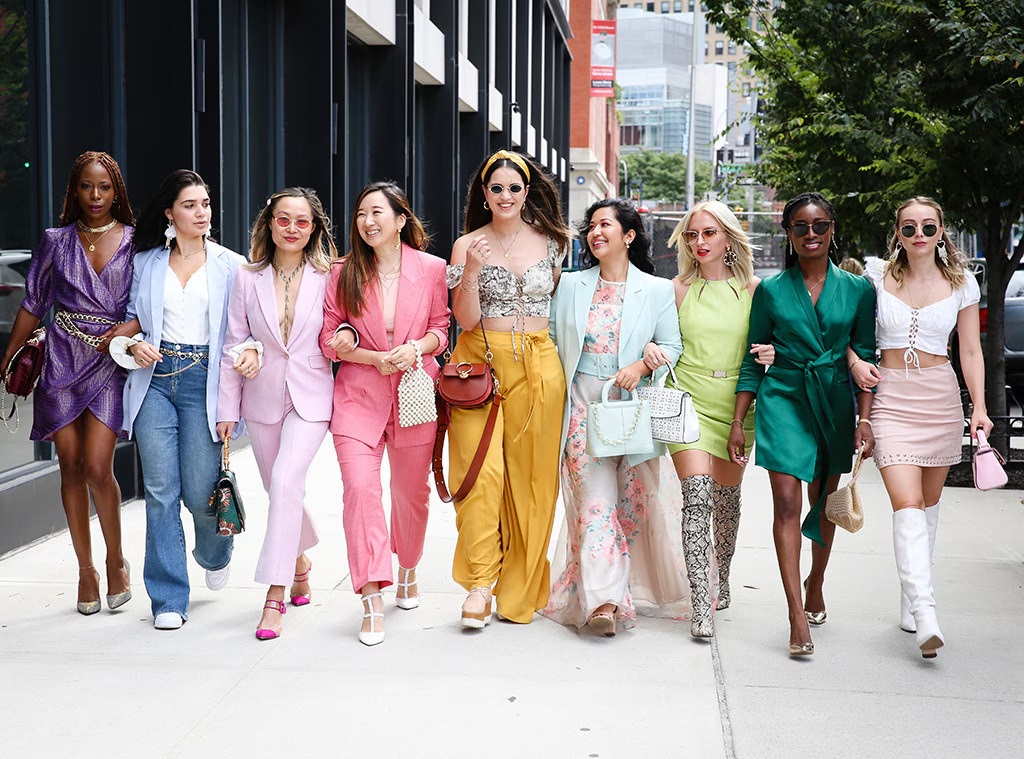
Fashion is more than just clothing—it is a powerful form of self-expression, cultural identity, and social communication. From runway trends to streetwear styles, fashion influences how people present themselves to the world. It is a dynamic industry that evolves with creativity, technology, and societal trends. This article explores fashion’s history, types, trends, industry insights, and future directions, offering a comprehensive look at the world of style.
The History of Fashion
Fashion has a rich history, reflecting cultural shifts, technological advancements, and societal values. Understanding its evolution helps explain modern trends and design principles.
Key Eras in Fashion History
- Ancient Civilizations: Clothing served both functional and symbolic purposes, with materials like linen, wool, and silk used in Egypt, Greece, and Rome. Styles often denoted social status.
- Middle Ages: Fashion was influenced by royal courts and the church. Clothing was elaborate, with luxurious fabrics and detailed embroidery for the elite.
- Renaissance: Emphasis on artistry and humanism shaped fashion with intricate designs, vibrant colors, and accessories.
- 18th & 19th Century: Industrialization enabled mass production of fabrics and garments, making fashion more accessible.
- 20th Century: Fashion saw revolutionary changes with trends like flapper dresses, the rise of haute couture, and streetwear movements.
- 21st Century: Technology, social media, and global connectivity drive trends and democratize fashion, allowing fast-fashion, online shopping, and influencer culture to flourish.
Types of Fashion
Fashion encompasses diverse styles and categories that cater to personal preference, lifestyle, and social contexts.
Casual Fashion
Casual fashion prioritizes comfort while maintaining style. Typical elements include:
- Jeans, t-shirts, and casual dresses.
- Sneakers, loafers, and casual accessories.
- Versatility for everyday wear at work, school, or leisure.
Formal Fashion
Formal fashion focuses on elegance and sophistication for professional or ceremonial occasions. Key features include:
- Suits, blazers, formal dresses, and gowns.
- Classic footwear like oxfords, heels, and loafers.
- Accessorizing with watches, ties, or subtle jewelry for a polished look.
Streetwear
Streetwear emerged from urban culture and blends fashion, music, and art:
- Hoodies, oversized shirts, joggers, and sneakers.
- Collaboration with artists and designers for limited-edition collections.
- Emphasis on comfort, individuality, and cultural expression.
Luxury and Haute Couture
Luxury fashion emphasizes craftsmanship, exclusivity, and premium materials:
- Designer brands like Chanel, Gucci, and Louis Vuitton.
- Custom-tailored garments and couture collections showcased in fashion weeks.
- High prices reflecting quality, brand prestige, and artistry.
Sustainable Fashion
Sustainable fashion prioritizes ethical production and environmental responsibility:
- Use of organic, recycled, or upcycled materials.
- Transparent supply chains and fair labor practices.
- Popular among eco-conscious consumers seeking timeless and durable pieces.
Fashion Trends and Influences
Fashion trends evolve constantly, influenced by culture, technology, media, and global events.
Seasonal Trends
Fashion cycles around seasons, offering new styles, colors, and textures:
- Spring/Summer: Light fabrics, bright colors, and breathable designs.
- Fall/Winter: Layered outfits, warm fabrics, and darker color palettes.
- Seasonal trends often influence retail and marketing strategies globally.
Celebrity and Influencer Impact
Celebrities and social media influencers drive fashion trends by:
- Showcasing outfits on platforms like Instagram, TikTok, and YouTube.
- Collaborating with brands for exclusive collections or capsule lines.
- Influencing public perception and consumer preferences worldwide.
Cultural and Global Influences
Fashion integrates elements from diverse cultures, reflecting global connectivity:
- Traditional attire inspires contemporary collections (e.g., African prints, Japanese kimonos).
- Fusion fashion blends different cultural aesthetics into unique, modern designs.
- International fashion weeks highlight cross-cultural creativity and innovation.
Technology and Fashion
Technology shapes fashion design, production, and consumption:
- 3D printing allows custom garments and accessories.
- AI predicts consumer preferences and assists in design decisions.
- Virtual fashion shows and augmented reality (AR) apps enhance online shopping experiences.
The Fashion Industry: Insights and Dynamics
Fashion is a multi-billion-dollar global industry involving design, manufacturing, marketing, and retail.
Fashion Design and Manufacturing
- Designers conceptualize trends and create collections.
- Manufacturers translate designs into garments, balancing quality, cost, and production timelines.
- Ethical and sustainable practices are increasingly emphasized in the supply chain.
Retail and E-Commerce
- Brick-and-mortar stores coexist with e-commerce platforms offering convenience and variety.
- Online fashion retail includes fast-fashion giants, luxury brands, and independent designers.
- Digital marketing strategies, including influencer partnerships and social media campaigns, drive sales and brand loyalty.
Fashion Weeks and Trade Shows
Fashion weeks in Paris, Milan, New York, and London set global trends:
- Showcases of seasonal collections by top designers.
- Networking opportunities for industry professionals, buyers, and media.
- Platforms for emerging designers to gain visibility.
Emerging Fashion Trends
The future of fashion emphasizes sustainability, technology, and inclusivity:
- Eco-Friendly Materials: Organic fabrics, recycled textiles, and biodegradable products are gaining prominence.
- Digital Fashion: Virtual clothing and NFTs enable creative expression in the digital realm.
- Inclusivity and Diversity: Brands increasingly showcase models of different sizes, ethnicities, and genders.
- Personalization: Customized clothing and accessories cater to individual tastes.
- Functional Fashion: Integration of comfort, utility, and wearable technology in everyday clothing.
Tips for Staying Fashionable
- Know Your Style: Identify outfits and colors that reflect your personality.
- Invest in Basics: Timeless pieces like jeans, jackets, and white shirts form the foundation of versatile wardrobes.
- Experiment Wisely: Blend trends with classic pieces to create unique looks without overcommitting to fleeting fads.
- Follow Trusted Sources: Fashion magazines, blogs, and social media accounts provide inspiration and industry insights.
- Consider Sustainability: Prioritize quality over quantity and explore eco-friendly brands and materials.
Conclusion
Fashion is an ever-evolving landscape that blends creativity, culture, and commerce. It allows individuals to express themselves, stay current with trends, and contribute to global culture. From casual wear to haute couture and sustainable fashion, the industry is dynamic and inclusive, offering something for everyone. Staying informed about trends, understanding the influence of technology, and embracing sustainability ensures that fashion remains a meaningful and innovative part of modern life.
FAQs About Fashion
1. What is the difference between fast fashion and sustainable fashion?
Fast fashion focuses on mass production of trendy clothing at low cost, while sustainable fashion emphasizes ethical practices, durability, and environmentally-friendly materials.
2. How do social media influencers impact fashion trends?
Influencers showcase outfits, promote brands, and introduce new styles to their followers, shaping public preferences and consumer behavior.
3. What are the benefits of investing in classic fashion pieces?
Classic pieces offer versatility, durability, and timeless style, allowing you to mix trends without frequent wardrobe overhauls.
4. How is technology changing the fashion industry?
AI, 3D printing, virtual fashion shows, and AR apps enhance design, production, and shopping experiences, making fashion more accessible and innovative.
5. What are some popular fashion trends in 2025?
Current trends include sustainable fabrics, digital fashion, inclusive sizing, bold prints, oversized silhouettes, and functional, tech-integrated clothing.
6. How can individuals develop a personal fashion style?
Explore different clothing types, colors, and accessories, mix trends with classic pieces, and identify what reflects your personality and lifestyle.
7. Why is sustainable fashion becoming more important?
Sustainable fashion addresses environmental concerns, promotes ethical labor practices, and encourages consumers to make mindful purchasing decisions.
Comments are closed.